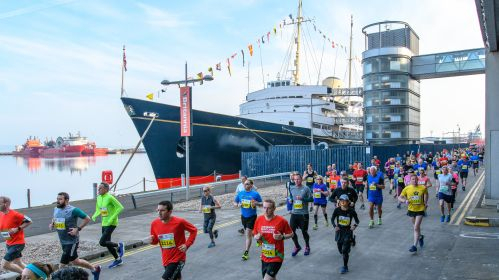
The Kilomathon 13.1K is one of the most distinctive road races on the Scottish running calendar, offering an alternative distance that sits neatly between a 10K and a half marathon. Designed to be both accessible and challenging, the 13.1K appeals to runners who want to test their endurance beyond shorter races without committing to the full demands of a half marathon. Held annually in Edinburgh during the summer, the event combines city streets, green spaces, and a relaxed festival atmosphere that sets it apart from more traditional road races.
For runners looking to progress their distance, improve aerobic strength, or simply experience something different, the Kilomathon 13.1K provides a rewarding and memorable race-day experience. Success, however, depends on understanding the course, preparing for summer conditions, and approaching pacing with discipline.
Overview of the Kilomathon 13.1K
The Kilomathon series was created with inclusivity and progression in mind, offering multiple race distances within a single event. The 13.1K distance is particularly appealing because it feels substantial without being overwhelming. It attracts a wide range of runners, from those stepping up from 10K races to experienced athletes using it as a structured training race.
Typically held in July, the Kilomathon benefits from long daylight hours and a more relaxed summer atmosphere than spring marathon events. The race is well organised, with clear signage, supportive volunteers, and a friendly start-line environment that helps reduce pre-race nerves.
Because the distance is unconventional, many runners approach it without preconceived expectations, which often leads to a more enjoyable and mentally relaxed race experience.
The Kilomathon 13.1K Course in Detail
The Kilomathon 13.1K course usually weaves through a combination of Edinburgh’s residential areas, main roads, and parkland. The route is predominantly road-based, with smooth surfaces and wide sections that allow runners to settle into rhythm early on.
Elevation is present but manageable. Rather than steep climbs, the course features gentle rolling terrain that rewards steady pacing and aerobic fitness. Early kilometres often feel comfortable, especially with the excitement of race day, making it important to avoid pushing too hard too soon.
As the race progresses, the course encourages runners to maintain a consistent effort rather than relying on surges. This is where the 13.1K distance can catch runners out. Those who treat it like an extended 10K often struggle in the final third, while runners who approach it with half-marathon discipline tend to finish stronger.
The latter stages of the course usually offer increased crowd support and a lively atmosphere, helping runners maintain focus and motivation as fatigue sets in. The finish provides a genuine sense of achievement, particularly for those completing their longest race to date.
Weather Conditions and Seasonal Considerations
As an early summer race, the Kilomathon 13.1K presents different challenges from spring or autumn events. Temperatures can range from mild to warm, and on sunny days, heat management becomes a key factor in performance.
Hydration is particularly important. Even though the race is shorter than a half marathon, summer conditions mean fluid loss can be significant. Runners should consider taking advantage of on-course water stations and practising hydration strategies during training.
Sun exposure is another factor to consider. Open sections of the course can leave runners exposed for prolonged periods, making sunscreen and lightweight clothing sensible choices. Wind is usually less of an issue than in coastal races, but breezy conditions can still influence effort levels.
Training and Preparation for the Kilomathon 13.1K
Training for the Kilomathon 13.1K typically requires an eight to twelve-week plan, depending on current fitness. The goal is to build endurance beyond 10K while retaining enough speed to avoid the race becoming a slow grind.
Long runs are the cornerstone of preparation. Gradually extending one weekly run to 8–10 miles helps the body adapt to sustained effort and builds confidence. These runs should be completed at an easy, conversational pace.
Tempo runs are especially valuable for this distance. Running at a controlled but challenging pace for extended periods teaches the body how to manage discomfort and sustain effort. Many runners benefit from tempo sessions lasting 20–40 minutes.
Easy runs support aerobic development and recovery, while light interval sessions can improve running economy. Strength training, particularly for the core and hips, helps maintain form as fatigue sets in.
Because of the summer timing, practising hydration during training is essential. Knowing how much and when to drink can prevent race-day discomfort.
Race-Day Strategy and Execution
Pacing is the single most important factor in a successful Kilomathon 13.1K. The early kilometres should feel controlled and slightly conservative. Effort should build gradually through the middle of the race, with the final third requiring focus and mental resilience.
Breaking the race into sections can help maintain concentration. Many runners find it effective to treat the race as a steady first half, a controlled middle phase, and a committed final push.
The Kilomathon 13.1K offers a refreshing alternative to traditional distances. With smart preparation, sensible pacing, and respect for summer conditions, it delivers a challenging yet highly enjoyable race experience.