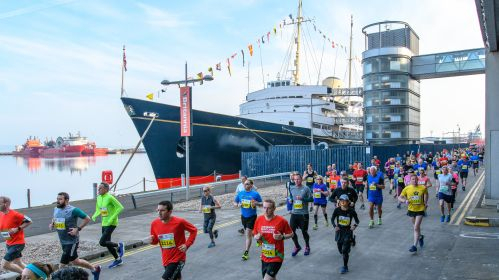
The Kilomathon 13.1K sits in a unique space between a 10K and a half marathon. It is long enough to demand endurance and focus, yet fast enough that pacing, comfort, and preparation matter greatly. Because it does not fit neatly into more familiar race distances, runners sometimes underestimate the importance of planning for it properly. Whether you are using the Kilomathon 13.1K as a stepping stone toward longer distances or targeting it as a goal event in its own right, having a clear packing checklist helps eliminate avoidable stress on the day.
A structured approach to packing allows you to focus on effort and execution rather than logistics. When race morning arrives, familiarity and routine become just as important as fitness, particularly at an event like the Kilomathon 13.1K where sustained concentration is key.
Why a Kilomathon 13.1K Packing Checklist Matters
Because the Kilomathon 13.1K is not a standard distance, runners often rely on instinct rather than preparation. This can lead to small oversights that affect performance or comfort. The intensity of the distance means you will likely be running close to threshold for a prolonged period, leaving little room for distractions caused by missing or unfamiliar items.
A packing checklist ensures consistency. Regardless of whether you are traveling or running locally, knowing that everything has been prepared in advance allows you to arrive at the start feeling composed and confident.
Race Essentials and Practical Items
Your race bib is essential and should be packed well in advance, along with safety pins or a bib belt. Even experienced runners occasionally forget these basics, particularly when the event feels less formal than a full marathon.
Identification and confirmation details are also important, especially if race pack collection takes place on the day. Having digital or printed copies of event information can provide reassurance if phone batteries drain or signal becomes unreliable.
Your Kilomathon 13.1K Running Kit
Your running kit should be familiar and tested. This includes your top, shorts or tights, socks, and sports bra. Socks are a commonly forgotten item, and replacing them with an unfamiliar pair can cause discomfort over 13.1 kilometres, especially at higher intensity.
Shoes deserve careful consideration. Many runners choose lighter shoes for the Kilomathon 13.1K due to the faster pace, but cushioning and support should still align with what you have used in training. Whatever you choose, your shoes should feel automatic on your feet, not distracting.
Accessories such as hats, sunglasses, or arm warmers should be included if you regularly train with them. Even small changes can feel significant over a sustained effort.
Dressing for Conditions and Start-Line Comfort
Weather can have a noticeable impact on performance at this distance. A cool start may require throwaway layers to keep muscles warm before the event begins, while wind or sun exposure can influence comfort during the run.
Runners often forget gloves, light layers, or sunscreen, assuming the distance is too short to matter. In reality, exposure and temperature can affect both pacing and perceived effort throughout the Kilomathon 13.1K.
Nutrition and Hydration Planning
Fueling needs for the Kilomathon 13.1K sit between those of a 10K and a half marathon. Many runners do not take fuel during the run, but pre-event nutrition becomes especially important. Packing a familiar breakfast or snack ensures you are properly fuelled without relying on last-minute options.
Some runners choose to carry a gel or take one shortly before the start. If this is part of your routine, it should be packed intentionally. Hydration before the event should also be considered, particularly in warmer conditions.
Post-Run Comfort and Recovery
After finishing the Kilomathon 13.1K, recovery begins quickly. A dry change of clothes, including warm layers, is often overlooked but makes a significant difference once your body temperature drops.
Simple recovery items such as snacks, a refillable bottle, or compression socks can help you transition comfortably from effort to recovery, particularly if you plan to stay at the event for a while.
Final Thoughts on Kilomathon 13.1K Packing
The Kilomathon 13.1K rewards preparation. By packing carefully and thinking ahead about what runners often forget, you remove unnecessary distractions and allow yourself to focus fully on running strong and controlled. When your kit, fuel, and routine are familiar, you give yourself the best chance to enjoy the challenge and perform at your best.