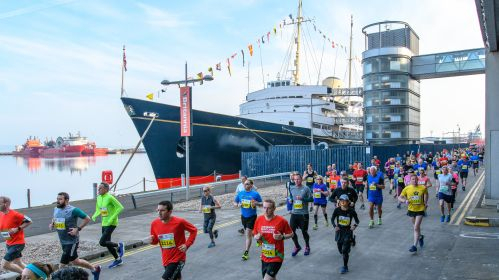
The Kilomathon 13.1K is a unique and rewarding race distance that sits between a 10K and a half marathon. At just over eight miles, it offers runners the chance to test their endurance without committing to the full demands of a 13.1-mile half marathon. For many, it’s the perfect stepping stone — challenging, achievable and highly motivating.
Whether you’re progressing from a 10K, returning to running after a break, or building towards longer events later in the year, the Kilomathon 13.1K provides an ideal target. With the right training approach, most runners can prepare for this distance confidently in a relatively short timeframe.
What is the Kilomathon 13.1K and who is it for?
The Kilomathon is known for offering multiple distances within one inclusive event, and the 13.1K race is designed for runners who want more than a 10K but aren’t quite ready for a half marathon. It’s particularly popular with runners looking to extend endurance gradually while maintaining enjoyment.
Because the distance is less common, the Kilomathon 13.1K also appeals to runners who want something different — a race that feels substantial without the pressure or training volume of a traditional half marathon.
How long does it take to train for the Kilomathon 13.1K?
Most runners can successfully train for the Kilomathon 13.1K in eight to ten weeks, provided they can already run comfortably for around 45 minutes. This training window allows time to build endurance gradually while balancing recovery and injury prevention.
Runners coming straight from a 10K background may adapt more quickly, while those newer to longer distances may benefit from extending the plan slightly or incorporating occasional run-walk sessions during long runs.
The foundations of a Kilomathon 13.1K training plan
A beginner-friendly training plan for the Kilomathon 13.1K typically involves four runs per week. Two midweek runs help maintain aerobic fitness and reinforce consistency, while a longer run at the weekend becomes the cornerstone of your preparation. An additional easy or recovery run helps your body adapt to increasing mileage.
The majority of training should be completed at an easy, conversational pace. This allows you to accumulate endurance without excessive fatigue. Many runners underestimate the importance of easy running, especially when stepping up beyond 10K, but it’s the key to arriving at the start line feeling prepared rather than worn down.
Your weekly long run gradually extends until you are comfortably covering slightly more than the 13.1K distance in training. Time on your feet matters more than pace, particularly for a distance that bridges the gap between shorter races and half marathon territory.
Developing strength and pace for longer racing
Although endurance is the primary focus, introducing controlled pace work helps prepare you for the sustained effort required on race day. This doesn’t mean intense speed sessions. Instead, gentle tempo running or steady efforts at a “comfortably hard” pace teach your body to maintain rhythm over longer distances.
These sessions improve confidence and efficiency, helping you avoid the common mistake of starting too fast. For runners targeting the Kilomathon 13.1K, learning restraint early on often leads to stronger finishes and a far more enjoyable race experience.
Pacing the Kilomathon 13.1K on race day
Race-day pacing is critical at this distance. The Kilomathon atmosphere can be energetic, and it’s easy to get carried away in the opening kilometres. However, a controlled start is almost always rewarded in the later stages of the race.
The most effective strategy is to run the first third of the Kilomathon 13.1K at a slightly conservative effort, settle into a steady rhythm through the middle, and only increase effort if you feel strong in the final kilometres. This approach reduces the risk of fatigue and helps you maintain form when it matters most.
Running by effort rather than obsessing over pace is particularly helpful if conditions change or the course includes rolling terrain.
Fueling, hydration and recovery for 13.1K training
Unlike shorter races, fueling becomes more relevant when training for a 13.1K. For long runs lasting over 75 minutes, practising taking in carbohydrates can help maintain energy levels and improve comfort.
Hydration also plays a bigger role as training volume increases. Even mild dehydration can affect performance and perceived effort over longer distances.
Recovery should be treated as a core part of your training plan. Rest days, sleep and easy runs allow your body to adapt to increased workload. Strength training focused on the glutes, calves and core can further support endurance and reduce injury risk.
Tapering before the Kilomathon 13.1K
In the final one to two weeks before the Kilomathon 13.1K, training volume should gradually reduce. This taper allows accumulated fatigue to fade while preserving fitness.
Shorter, relaxed runs with a few brief faster efforts help keep your legs responsive without adding stress. Many runners worry about losing fitness during this phase, but arriving at the start line fresh is one of the biggest predictors of a strong race.
Final thoughts: is the Kilomathon 13.1K right for you?
The Kilomathon 13.1K is an excellent choice for runners seeking a meaningful endurance challenge without the full commitment of half marathon training. It bridges the gap between 10K and longer distances, offering a sense of progression while remaining achievable and enjoyable.
With a structured but flexible training plan, realistic expectations and a focus on consistency, the Kilomathon 13.1K can be both a confidence-boosting race and a stepping stone towards future goals. For many runners, it’s the perfect next chapter in their running journey — challenging enough to be proud of, but accessible enough to enjoy every step along the way.