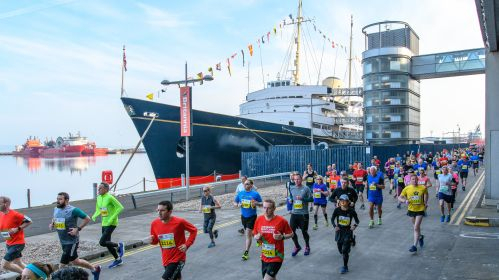
The Kilomathon 13.1K is a distinctive mass participation running event that sits between a traditional 10K and a half marathon. This intermediate distance presents unique hydration considerations, as participants are active long enough for fluid balance to matter, yet often move at a faster pace than they would in longer endurance events. Getting hydration right for the Kilomathon 13.1K can make the difference between a steady, controlled experience and one that feels unexpectedly difficult in the later stages.
Unlike more familiar distances, the 13.1K can catch runners out. It is long enough for dehydration to accumulate, particularly in warm or windy conditions, but short enough that overhydration or poorly timed drinking can cause discomfort. A balanced, practised approach is key.
Understanding Hydration Demands at the 13.1K Distance
At 13.1 kilometres, hydration needs vary widely depending on pace, experience, and conditions. Faster participants may complete the distance in just over an hour, while others may be active for closer to two hours or more. That extended time on feet allows sweat loss to build, even if the event feels “short” compared to a half marathon.
Because runners often approach the Kilomathon at a relatively strong effort, hydration affects perceived exertion more than many expect. Even mild dehydration can make pacing feel harder in the final kilometres, particularly when effort naturally increases toward the finish.
Hydration Preparation in the Days Before the Event
Effective hydration for the Kilomathon 13.1K begins well before event day. In the 48 hours leading up to the event, focus on steady, consistent fluid intake throughout the day. Drinking regularly with meals and between meals supports circulation and temperature regulation without creating bloating or discomfort.
There is no need for extreme hydration strategies, but avoiding dehydration caused by travel, alcohol, or disrupted routines is important. If you know you sweat heavily or tend to crave salt after running, ensuring meals contain normal sodium levels can support fluid balance.
Electrolytes may be useful in the days before the event if conditions are warm or if your routine is disrupted, but they should be familiar and well tolerated.
Event Morning Hydration Strategy
On event morning, hydration should feel calm and controlled. Small, regular sips of water after waking and with breakfast are usually sufficient. Drinking large volumes close to the start can lead to stomach discomfort or repeated toilet visits, which are particularly inconvenient in a mass participation environment.
Many runners benefit from reducing fluid intake around 30 to 45 minutes before entering the start area. This allows the body to settle and helps participants focus on the run rather than logistics.
Managing Waiting Time and Pre-Start Conditions
Like many mass participation events, the Kilomathon involves waiting time before the start. Standing around, warming up, and managing nerves can all influence hydration needs. Windy or sunny conditions can increase fluid loss even before the event begins.
If you feel thirsty while waiting, take small sips rather than drinking a full bottle. Dry mouth is often linked to nerves rather than dehydration, and rinsing the mouth or taking a small sip can relieve discomfort without overhydrating.
Hydration During the Kilomathon 13.1K
Hydration during the event itself should be individualised. Some participants will complete the 13.1K comfortably without drinking, while others benefit from one or two small sips along the way.
If aid stations are available, treat them as optional rather than mandatory. Small, controlled sips are generally more effective than drinking large amounts at once. Overdrinking can cause stomach slosh or cramping, particularly at higher effort levels.
Electrolytes may be helpful for participants expecting to be active for longer than 90 minutes, especially in warm conditions. As always, anything consumed during the event should have been tested in training.
Matching Hydration to Pace and Effort
Pace plays a significant role in hydration needs. Faster runners spend less time exposed to fluid loss but generate more heat, while slower runners experience longer cumulative sweat loss. Both groups need hydration strategies that reflect their individual circumstances.
Rather than following rigid rules, it is more effective to have a simple plan that can be adjusted based on how you feel and the conditions on the day.
Avoiding Common Hydration Mistakes
A common mistake at this distance is treating the Kilomathon like a short 10K and ignoring hydration entirely. Another is overcompensating by drinking too much too early, leading to discomfort later on.
The most reliable approach is moderation. Start well hydrated, drink sparingly if needed during the event, and prioritise recovery hydration afterwards.
Post-Event Rehydration and Recovery
After finishing the Kilomathon 13.1K, rehydration supports recovery and reduces lingering fatigue. Begin drinking fluids gradually once breathing and heart rate settle.
Fluids paired with food are more effective than water alone. Including some sodium through food or drink helps the body retain fluid and supports muscle recovery.
Practising Hydration in Training
Training runs are the best opportunity to practise hydration at this distance. Long steady runs or progression runs allow you to experiment with small amounts of fluid and observe how your body responds.
When hydration is practised and familiar, the Kilomathon 13.1K becomes a more predictable and enjoyable experience.