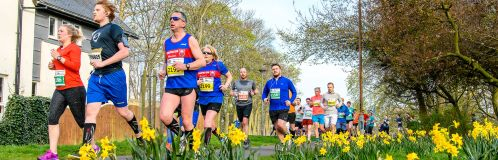
The Kilomathon 6.5K is a short but meaningful mass participation running event designed to be accessible, welcoming, and confidence-building. It attracts a broad range of participants, including beginners, returning runners, walkers, and those using the event as a stepping stone toward longer distances. While the 6.5-kilometre distance does not place the same physiological demands on hydration as a half marathon or marathon, hydration still plays an important role in comfort, confidence, and recovery.
For many participants, the Kilomathon 6.5K is not just about the distance itself, but about the experience of taking part in an organised event. Hydration habits before and after the run often have a greater impact on how the day feels than anything consumed during the event itself. Understanding this helps keep hydration simple rather than stressful.
Understanding Hydration Needs at the 6.5K Distance
At 6.5 kilometres, most participants will be active for well under an hour. As a result, hydration during the run is rarely necessary from a physiological perspective. However, hydration needs are influenced by more than just distance.
Mass participation environments introduce additional factors such as travel, waiting time, nerves, and weather exposure. Participants may spend a significant amount of time standing, warming up, or waiting to start, all of which can contribute to fluid loss before the run even begins. For newer runners especially, sensations like dry mouth or thirst can feel alarming if they are not expected.
Understanding that these sensations are normal and manageable helps reduce anxiety and prevents overhydration.
Hydration in the Day Before the Event
The day before the Kilomathon 6.5K should focus on normal, steady hydration rather than special strategies. Drinking fluids regularly throughout the day supports circulation and temperature regulation without creating discomfort.
There is no benefit to drinking excessive amounts of water or sports drinks the night before. Overhydration can disrupt sleep and leave participants feeling bloated or tired on event morning. Balanced meals, normal salt intake, and regular fluids are usually all that is required.
Participants travelling to the event should be particularly mindful of hydration, as travel often involves less drinking and more caffeine than usual. Making a conscious effort to drink regularly throughout the day helps counteract this.
Event Morning Hydration Strategy
On the morning of the event, hydration should feel light, familiar, and reassuring. Small amounts of water consumed after waking and with breakfast help ensure participants feel ready without feeling heavy or uncomfortable.
Drinking large volumes close to the start is rarely helpful at this distance. It can increase the need for last-minute toilet stops and heighten anxiety, particularly for those new to organised running events. Many participants find it helpful to reduce fluid intake around 30 to 45 minutes before entering the start area.
The goal is to arrive at the start feeling comfortable, calm, and in control.
Managing Nerves, Waiting Time, and Environment
Nerves are a normal part of mass participation events, especially for first-timers. Nervousness often creates a dry mouth sensation that feels like thirst but is not always related to dehydration. Understanding this can prevent unnecessary overdrinking.
Waiting in start areas can also influence hydration. Standing in sun, wind, or drizzle may increase thirst, even though the run itself is short. In these situations, taking small sips or rinsing the mouth can relieve discomfort without upsetting the stomach.
Responding gently rather than dramatically to these sensations helps maintain comfort and confidence.
Hydration During the Kilomathon 6.5K
For most participants, hydration during the event itself is not required. Starting the run well hydrated is usually sufficient to carry participants comfortably to the finish.
If conditions are unusually warm, or if a participant feels genuinely uncomfortable, a small sip of water may help. However, drinking during a 6.5K should be viewed as optional rather than necessary. Drinking too much mid-run can interrupt breathing rhythm and pacing, particularly for newer runners.
Listening to the body and prioritising comfort over rules is the most effective approach.
Hydration and Confidence for New Participants
Hydration is closely linked to confidence at this distance. Many newer runners worry about “doing it wrong,” including concerns about when and how much to drink. Reassurance that minimal hydration is required during the event can significantly reduce stress.
A simple message helps: hydrate normally before, run comfortably, then rehydrate afterwards. When participants trust that approach, the event feels far more manageable.
Post-Event Rehydration and Recovery
After completing the Kilomathon 6.5K, hydration becomes more important. Even though the run is short, the body may still be warm and sweating may continue briefly after stopping.
Rehydrating gradually once breathing and heart rate have settled helps restore balance. Water is useful, but fluids combined with food tend to be more effective. Including some sodium through food or drink supports fluid retention and reduces the risk of headaches or fatigue later in the day.
This is particularly important for participants who plan to remain active, travel home, or spend time socialising after the event.
Using the 6.5K to Build Positive Hydration Habits
For many people, the Kilomathon 6.5K represents an entry point into organised running. Hydration habits formed here often carry forward into longer training plans and future events.
Keeping hydration simple, calm, and predictable builds confidence and reduces unnecessary stress. It also creates a foundation for adapting hydration strategies as distances increase.
Making the Experience Enjoyable and Sustainable
Hydration at the 6.5K distance should never feel complicated. Normal hydration the day before, light drinking on the morning of the event, minimal concern during the run, and thoughtful recovery afterwards are usually all that is required.
When hydration is handled well, participants can focus on enjoying the event, celebrating their achievement, and leaving with a positive impression that encourages future participation.