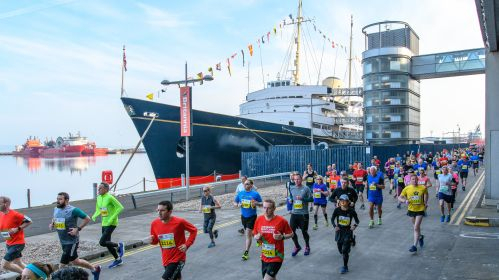
The 13.1K distance occupies a unique space in endurance running. Shorter than a half marathon but longer than a traditional 10K, it demands sustained effort, controlled pacing, and strong mental discipline. Runners must balance speed with restraint, pushing hard without tipping into unsustainable intensity. Mental strategies play a crucial role in executing this balance successfully.
For those preparing for challenges such as the Kilomathon 13.1K, confidence and focus are essential tools for turning physical fitness into a controlled, effective performance.
The Mental Demands of the 13.1K Distance
The psychological challenge of the 13.1K lies in its deceptive nature. Early stages often feel manageable, encouraging runners to increase effort too soon. However, the distance is long enough that poor pacing decisions can significantly affect performance in the latter stages.
Mental discipline is required to remain patient early and resilient later. Understanding where discomfort is likely to appear helps runners anticipate it rather than react emotionally when it arrives.
Building Confidence Through Targeted Training
Confidence at 13.1K is built through familiarity with sustained moderate-to-high intensity. Tempo runs, steady long efforts, and race-pace sessions teach runners how the correct effort should feel.
For runners targeting the Kilomathon 13.1K, training that blends endurance and controlled speed is particularly valuable. Completing these sessions reinforces belief in the ability to maintain rhythm when fatigue begins to accumulate.
Mental rehearsal further supports confidence. Visualising steady pacing, calm responses to rising effort, and a strong final section prepares the mind for race-day demands.
Maintaining Focus Throughout the Run
Focus plays a vital role in managing effort across the 13.1K distance. Losing concentration can lead to subtle pacing drift, which becomes costly later on.
Breaking the distance into manageable sections helps maintain engagement. Focusing on one kilometre or one landmark at a time keeps attention grounded in the present rather than fixated on the remaining distance.
Internal cues such as breathing rhythm or posture can help maintain efficiency, while external cues such as scenery or fellow runners can provide motivation when effort increases.
Managing Discomfort and Mental Fatigue
Discomfort is inevitable in the later stages of a hard 13.1K effort. The key mental skill is interpreting this sensation accurately rather than catastrophising it.
Experienced runners recognise fatigue as part of the process, not a sign of failure. Reframing discomfort as progress allows confidence to remain intact even as effort intensifies.
Simple, task-focused thoughts help prevent negative self-talk. Concentrating on form, relaxation, or cadence provides structure when mental fatigue begins to rise.
The Role of Routine and Preparation
Consistent pre-run routines support mental clarity and reduce anxiety. Familiar warm-ups, nutrition habits, and mental checklists create a sense of control and readiness.
For participants in events like the Kilomathon 13.1K, preparation also includes understanding the course profile and expected conditions. Reducing uncertainty frees mental energy for execution.
Reflecting and Developing Mental Strength
Each 13.1K effort offers valuable insight into pacing decisions, focus, and emotional control. Reflecting on these factors after the run helps strengthen mental resilience for future challenges.
Evaluating mental execution alongside physical performance encourages long-term improvement rather than one-off judgement.
Conclusion: Mastering the 13.1K Mindset
The 13.1K rewards runners who combine physical preparation with strong mental strategies. Confidence comes from consistent training and realistic pacing. Focus is sustained through deliberate attention and acceptance of discomfort.
Whether preparing for the Kilomathon 13.1K or a similar endurance challenge, developing mental skills allows runners to perform with control, clarity, and confidence from start to finish.